India Import-Export Weekly Roundup: May 24, 2024
This week highlights a strategic shift toward leveraging international trade agreements and adjusting agricultural export policies to balance domestic needs with global market demands. Business leaders should note the increasing emphasis on manufacturing quality to meet the stringent standards of developed economies.
1. Expansive Trade Agreements Provide Indian MSMEs Access to Developed Markets
Recent government analysis reveals that India's active free trade agreements now encompass approximately 65% of the developed world, offering a massive growth window for small businesses. Union Minister Jitin Prasada emphasized that local manufacturers must now prioritize international quality compliance to successfully penetrate these duty-free zones.
- Micro and small enterprises can now access over half of the world's most affluent consumer markets with reduced tariff barriers.
- Key focus areas for businesses include upgrading manufacturing processes to meet global certification and environmental standards.
- The government is positioning the Production Linked Incentive (PLI) scheme as a primary driver to scale MSME export capabilities.
2. Removal of Onion Export Restrictions Reopens Key International Markets
The central government has officially lifted the long-standing ban on onion exports, transitioning to a system of regulated shipments with a Minimum Export Price (MEP). This move is designed to help Indian traders reclaim market share in Southeast Asia and the Middle East while maintaining domestic price stability.
- Exporters must now adhere to a Minimum Export Price of $550 per metric tonne plus a 40% export duty.
- The policy change impacts major producing regions like Maharashtra and Karnataka, providing immediate relief to specialized agricultural aggregators.
- Procurement managers should expect a shift in local logistics demand as bulk shipments resume through major western ports.
3. Merchandise Exports Show Resilience Despite Global Supply Chain Disruptions
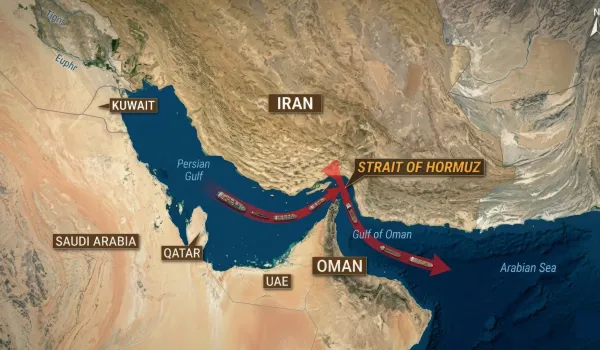
India’s merchandise exports registered a marginal growth of 1% in the recent monthly cycle, reaching nearly $35 billion despite ongoing volatility in the Red Sea. High-performing sectors such as electronics, pharmaceuticals, and engineering goods are compensating for slower growth in traditional textile segments.
- Electronics exports surged by over 20%, highlighting India's growing role in the global technology supply chain.
- Trade deficits have narrowed slightly due to a cooling of global commodity prices, easing the pressure on import-heavy manufacturing sectors.
- Logistics managers are advised to continue factoring in longer lead times for Europe-bound cargo due to maritime route diversions.
4. New Digital Customs Interface Aims to Expedite Export Clearance Times
The Central Board of Indirect Taxes and Customs (CBIC) is rolling out an upgraded automated system to streamline the processing of export refunds and drawback claims. This digital transformation is expected to reduce the manual intervention required at ports, significantly improving the ease of doing business for SME exporters.
- The new system integrates GST and Customs data more tightly to provide near-instantaneous processing of integrated tax (IGST) refunds.
- Exporters are encouraged to update their ICEGATE registrations to benefit from the new paperless documentation features.
- Expected turnaround times for customs clearance at major air cargo hubs are projected to decrease by 15-20% by the next quarter.
5. India-Oman Trade Pact Nears Finalization to Secure Energy and Food Corridors
Negotiations for a Comprehensive Economic Partnership Agreement (CEPA) between India and Oman have entered the final stages, promising duty-free access for a wide range of Indian goods. This agreement is strategically vital for securing long-term energy supplies while opening a gateway for Indian food products into the Gulf region.
- The pact is expected to eliminate import duties on over 80% of Indian goods, including machinery, iron and steel, and textiles.
- SME manufacturers in the engineering sector should prepare for increased bidding opportunities for infrastructure projects within the GCC.
- The deal will also include a specialized framework for facilitating easier professional visa movement between the two nations.
Next week, industry stakeholders should closely monitor the release of new logistics infrastructure guidelines aimed at reducing the overall cost of trade operations.
Source: Economic Times