Types of Bill of Entry in India: Complete Guide for Importers (2026)

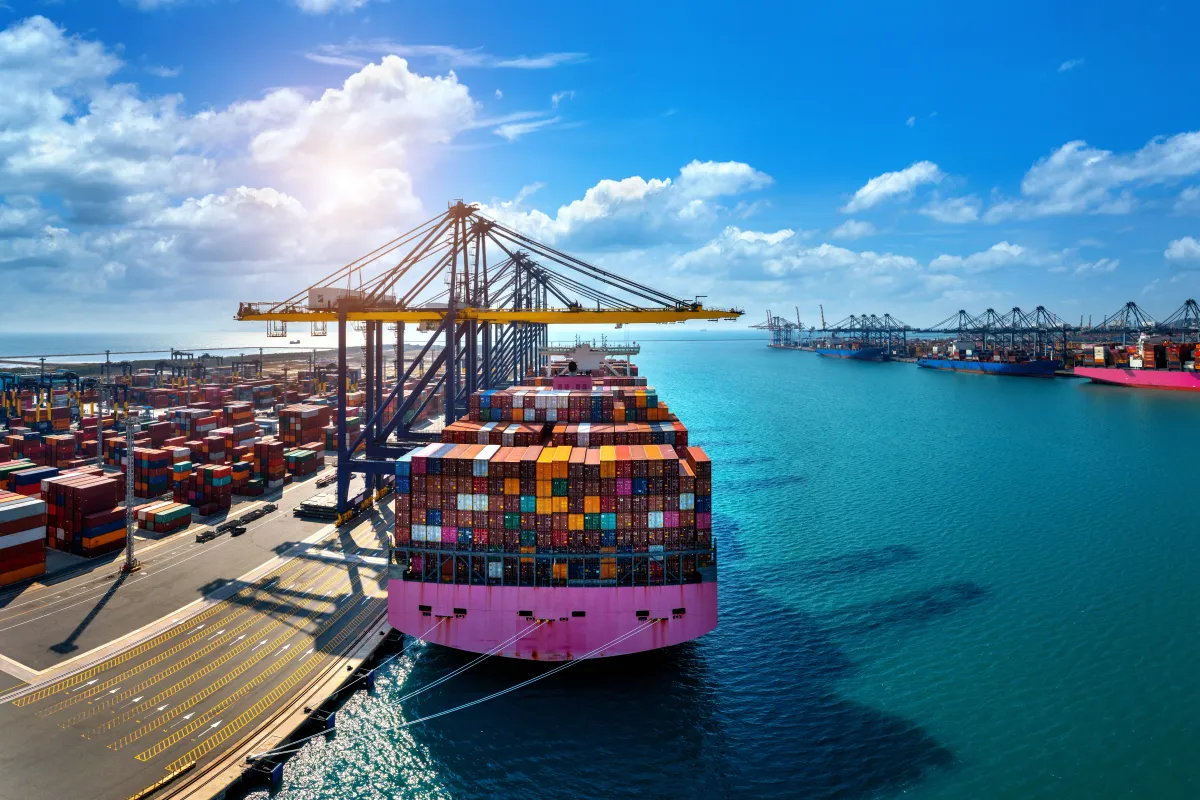
A Bill of Entry (BOE) in India is the legal declaration importers file under Section 46 of the Customs Act, 1962 to get goods cleared through customs, and the type you directly affects when you pay duty, whether you can warehouse goods, and how fast cargo is released. As of 2026, almost all BOEs are filed digitally on the ICEGATE portal.
The 3 Main Types of Bill of Entry
These three BOE types cover almost all regular commercial imports into India. Understanding them is very crucial for any importer, customs broker or 3PL providers.
- Bill of Entry for Home Consumption (Section 46)
A Bill of Entry for Home Consumption is used when you want goods cleared immediately into the Domestic Tariff Area (DTA) for sale, manufacturing, or own use. It is the most common BOE type and is filed when you do not intend to use customs bonded warehousing.
Key features:
- Basic Customs Duty (BCD), Social Welfare Surcharge (if applicable) and IGST are calculated and paid at the time of import clearance, based on assessable value and HS code.
- Once assessed, duty paid and “Out of Charge” (OOC) granted, goods move directly from the port/ICD to your premises.
For a deeper understanding on BOE meaning, contents and format, see this blog “What Is Bill of Entry? Complete BOE Guide 2026.”
- Bill of Entry for Warehousing / Into‑Bond (Section 60)
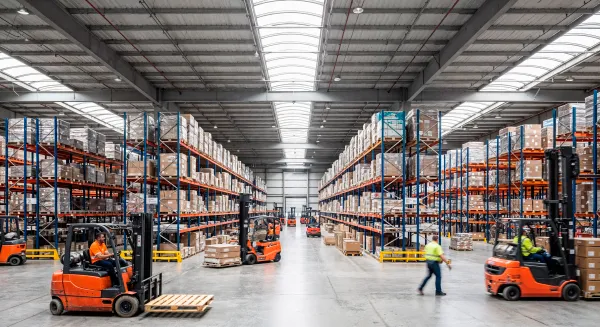
A Warehousing or Into‑Bond BOE is filed when you want to move goods from the port into a customs bonded warehouse without paying duty up front. This is common for bulk cargo, seasonal goods and importers who plan re‑export or need duty deferment for cash‑flow reasons.
- Ex‑Bond Bill of Entry (Section 68)
An Ex‑Bond BOE is filed when warehoused goods are finally cleared from the bonded warehouse into the domestic market. Here, customs calculates duties as on the date of ex‑bond clearance, not the original import date, which can work in your favour or against you depending on duty rate changes.
Main BOE Types: Quick Comparison
Courier Bill of Entry Types (CBE‑XI to CBE‑XIV)
Imports that arrive via express couriers like DHL, FedEx, UPS or Blue Dart follow a special Courier Imports and Exports (Electronic Declaration and Processing) Regulations framework instead of regular cargo BOEs. The courier or their customs broker files a specific Courier Bill of Entry (CBE) form online in ECCS based on shipment nature and assessable value.
CBE‑XI (Form B) – Documents Only
CBE‑XI is used for non‑commercial documents such as contracts, letters, printed reports and paperwork with no commercial value. No customs duty is charged, the declaration is largely for control and screening purposes.
CBE‑XII (Form C) – Gifts & Samples
CBE‑XII covers free gifts and samples imported through courier for personal use, not for resale, typically within an assessable value limit of about ₹10,000. Such consignments may enjoy exemptions depending on notification conditions, but customs can still levy duty by item category if thresholds or conditions are breached.
CBE‑XIII (Form D) – Low‑Value Personal Goods
CBE‑XIII is used for low‑value dutiable consignments (non‑documents) for personal use where the assessable value does not exceed ₹1,00,000. Typical examples include small electronics, clothing, footwear and accessories imported by individuals, with applicable customs duty assessed normally.
CBE‑XIV (Form E) – High‑Value or Commercial Courier
CBE‑XIV is mandatory when the assessable value exceeds ₹1,00,000, or where the nature of goods is clearly commercial (stock for resale, B2B supplies, EOU imports, etc.). These shipments undergo standard customs assessment, and all applicable duties and restrictions apply similar to regular cargo, even though they physically move through an express courier network.
Special Types of Bill of Entry
Beyond the three core types, some specialised scenarios require slightly different BOE handling. These are less frequent but become crucial for traders, re‑exporters and high‑sea sale buyers.
Bill of Entry for High Sea Sales (HSS)
In a high sea sale, the original buyer sells the goods to another buyer while the cargo is still in transit and before any BOE is filed in India. After the final high sea sale, the last buyer in the chain files the BOE and becomes the importer of record for customs and IGST purposes.
Bill of Entry for Re‑export
A Re‑export BOE is used when imported goods are being exported out of India again, usually without entering the domestic market in any meaningful way. Common scenarios include rejected shipments, warranty returns, wrong‑spec goods or trading structures where India is only a transit/processing hub.
Transshipment Bill of Entry
When imported goods are unloaded at one Indian port but destined for another Indian customs station or for a third country, customs may allow movement under a simplified transshipment procedure rather than full import clearance. In such cases, the carrier or their agent files transshipment documentation so the cargo can move under bond without payment of customs duty at the first port.
Postal Bill of Entry
Imports arriving through India Post (Foreign Post Offices and Sub‑Foreign Post Offices) are handled under a postal customs framework rather than courier or regular cargo regulations. For non‑personal or higher‑value shipments, a dedicated Postal Bill of Entry must be filed either by postal authorities, the importer, or a customs broker.
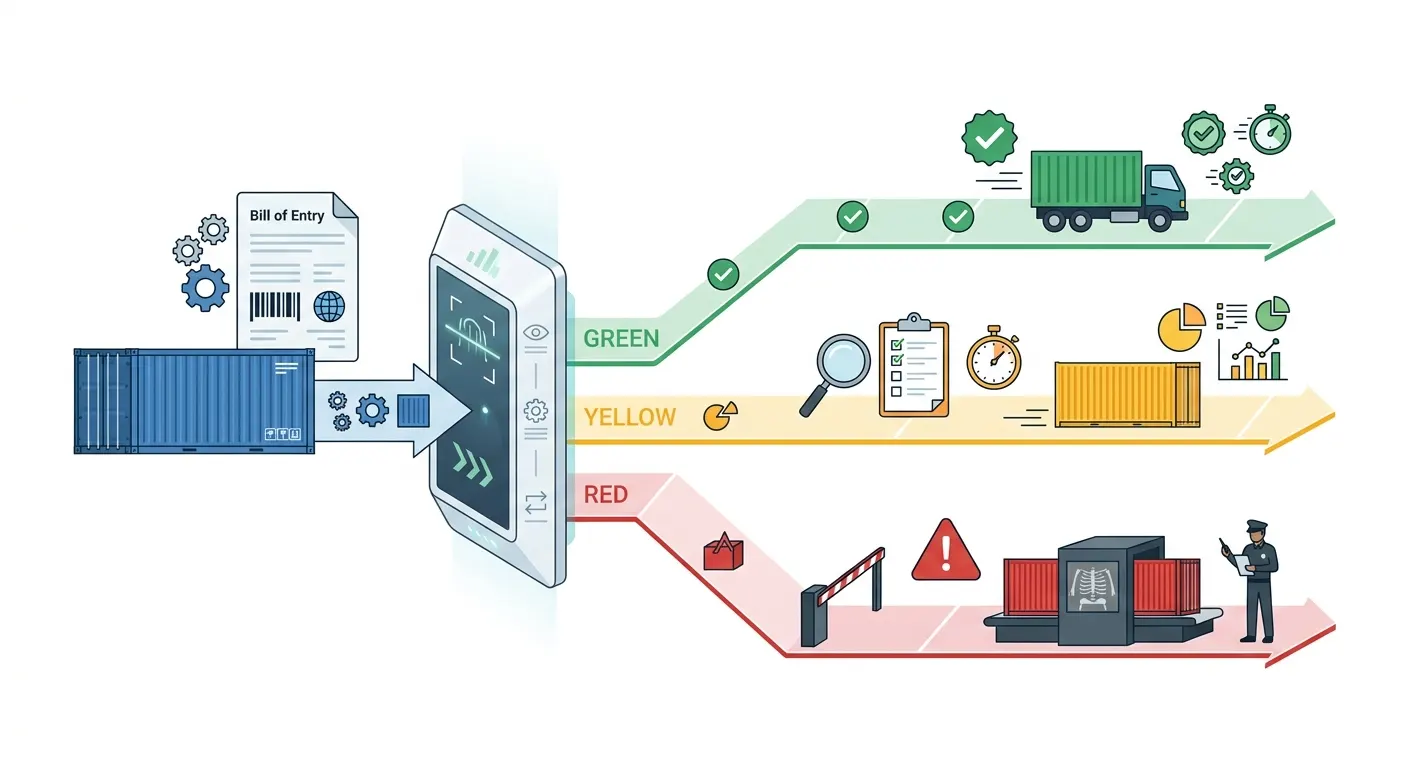
Green, Yellow, Red Channels: How Your BOE Is Cleared
India’s Risk Management System (RMS) analyses each BOE and routes it into different clearance channels based on HS code, origin, importer profile, valuation patterns and risk rules. This determines whether your shipment is cleared in hours or subjected to document and physical checks over days.
Typical channeling logic:
- Green Channel (Code 1): No manual document or physical examination, system‑based clearance for low‑risk, compliant importers with good track record.
- Yellow Channel (Code 2): Detailed document scrutiny but usually no physical examination, often due to unclear description, HS doubts or random sampling.
- Red Channel (Code 3): Full document plus physical examination, often in multiple intensity levels (up to 100 percent examination) for high‑risk goods, new importers or valuation/scheme concerns.
For detailed understanding on how to check the status of Bill of Entry, please refer to this blog: “How to Check Bill of Entry Status Online on ICEGATE”.
FAQs: Bill of Entry Types in India (2026)
Q1: What is the most common type of Bill of Entry?
The Bill of Entry for Home Consumption under Section 46 is the most widely used, because it covers standard imports cleared directly into the Indian domestic market for sale or use.
Can I defer customs duty payment with a BOE?
Yes, file a Warehousing (Into‑Bond) BOE so goods move into a bonded warehouse under Section 60, and pay customs duty only when you later file an Ex‑bond BOE to clear them into DTA.
How long do I have to amend a Bill of Entry?
Under the draft Bill of Entry (Post Import Amendment) Regulations, 2024, post‑import amendments should be filed within one year from the date of clearance, with the Commissioner and Chief Commissioner empowered to grant up to 12 additional months in special cases.
Do exporters need to file a Bill of Entry?
No, exporters file a Shipping Bill, not a BOE, but if you are re‑exporting previously imported goods or doing high sea sales where you become the importer of record, you will interact with BOEs for import and potential duty drawback/refund.
What is the difference between Into‑bond and Ex‑bond BOE?
An Into‑bond BOE is filed at import to move goods into a bonded warehouse without duty payment, while an Ex‑bond BOE is filed when removing those warehoused goods for home consumption, at which point duty is actually paid.